


About 1 in 4 adults experience tooth loss between the ages of 21 and 30. Dental implants are a safe and long-term option for tooth replacement that improve the appearance and functionality of your smile.

A dental implant can be paired with a replacement crown for single tooth replacement or can be used in small groups to anchor a denture or dental bridge. Dental implants are a strong, long-lasting solution for tooth loss and serve to prevent jaw bone loss in the same manner as a natural tooth root.
There are many benefits to choosing dental implants as a tooth-replacement solution. Some of these include:
Natural looking smile: Dental implants are crafted to closely resemble your natural teeth, restoring a natural-looking smile.
Improved oral health: Since there is no need to alter surrounding teeth to anchor implants, more of your natural teeth are preserved intact, improving long-term oral health.
Improved speech: With removable, non-anchored dentures, teeth can slip within the mouth, causing slurred or mumbled speech. Dental Implants remove that concern.
Improved comfort: Dental Implants avoid the slipping and discomfort of removable dentures.
Improved function: Dental Implants function like your natural teeth, allowing you to eat without pain.
Durability: Dental implants are stable, strong, and stain-resistant.
Protect healthy bone structure: Empty spaces caused by tooth loss can, over time, lead to deterioration of the jawbone. Since Dental Implants function like tooth roots, they are able to prevent this type of deterioration, just as natural teeth do.
Long-term solution: Dentures must be replaced about every 5-7 years. Dental Implants, when cared for properly, can last a lifetime.
If you are missing one or more teeth, dental implants may be right for you. We will consider your oral and overall health prior to determine if you are a good candidate for dental implants. Some considerations include:
Adequate bone support to anchor the implant
Healthy gum tissue
Sinus and nerve location
Overall health, including any chronic illnesses
In some cases, we may recommend advance treatment for your upper or lower jaw to enable you to have the bone support needed for implantation. As always, your treatment plan is created based on your specific needs and goals for your healthy smile.
If you are interested in learning more about dental implants or would like to schedule a consultation, contact our office today for an appointment. We’re here to help restore the health and beauty of your smile.


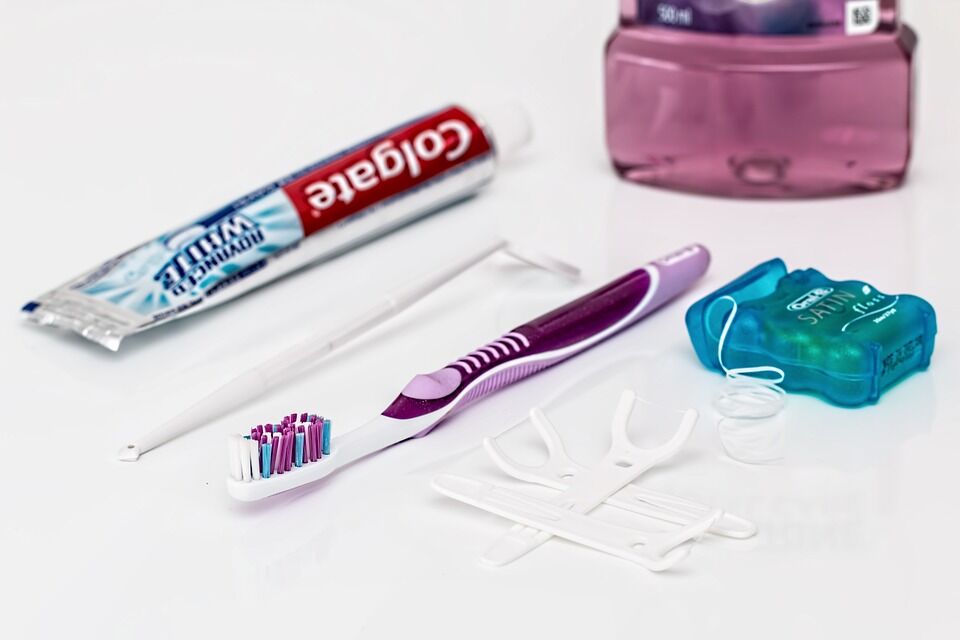







 There are over 12 million new cases of cancer diagnosed each year. There are a large variety of different kinds of cancer, some of which are more preventable than others. It might seem obvious that practicing good oral health and avoiding tobacco and other harmful substances can help protect you from the risk of oral cancer. However, there are other types of cancer that can be prevented through good oral care as well.
 Keeping up optimal oral health takes more than brushing and flossing. Maintaining oral hygiene demands a bit of work, but it is worth it in the long run. Here are four ways you can improve your dental health right now.
 Research completed by the CDC shows that nearly half of US adults suffer from some form of gum disease. Without proper detection and treatment, this disease can fester and spread, leading to a number of oral and overall health concerns including loss of teeth, bleeding and inflamed gums, heart disease, respiratory issues, stroke, and more. The damage periodontal disease is able to inflict on your body can be hugely mitigated through early treatment.
 For seniors, it is imperative that gum health is a top priority. As you age, your risk of developing periodontal (gum) disease increases. Periodontal disease is both preventable, and in many cases, reversible. When left untreated, it can lead to more serious complications such as bloody or swollen gums, and even tooth loss. Even more alarming are the numerous studies connecting periodontal disease to other serious illnesses. Here’s what you need to know about gum health as you age.